
The Refugee Crisis and Unequal Safety
The Glass RoomThis flow follows displaced people into Město and shows how charity, paperwork, and class shape who can find safety.
increasing Bearing strength in each event
 decreasing
Bearing strength in each eventdecreasingRefugees Become Visible

Displacement in the Streets
Arrival
Refugees from Austria cross into the country carrying what they can manage. Their arrival turns distant political events into visible human need in Město.
Viktor argues that individuals must pressure governments to act rather than wait for official solutions.
Unequal exposure
The Landauers can use wealth and connections to help, but the refugees must navigate crowded shelters and uncertain papers. Their vulnerability challenges the family’s belief that civic generosity is enough.
A Committee Meeting
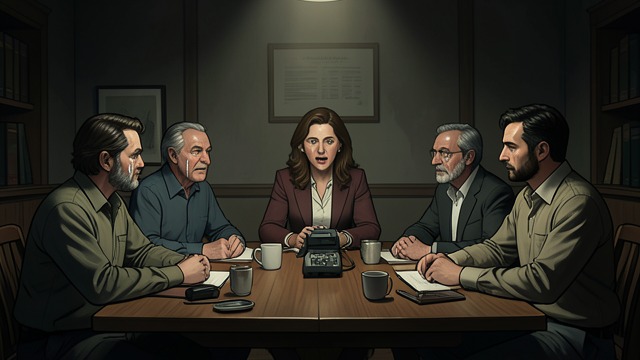
Refugees Tell Their Stories
Public testimony
A refugee committee brings witnesses into the Glass Room so attendees can hear personal accounts of violence. The event turns the private house into a public stage for the consequences of persecution.
Kata and Marika are among those who tell what happened in Vienna.
Compassion and spectacle
The committee hopes to make suffering immediate, but its arrangement risks turning refugees into exhibits. The room’s beauty sharpens the contrast between secure hosts and displaced guests.
Shelter Offered
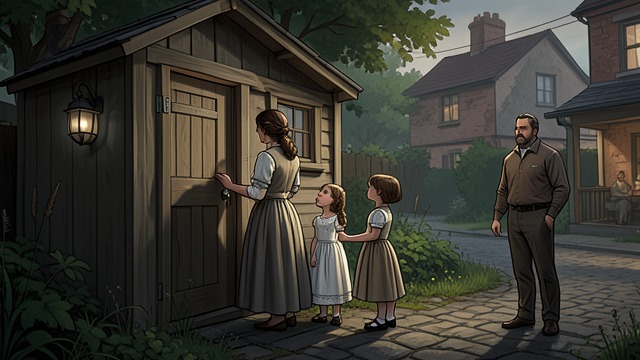
A Concrete Response
Liesel’s proposal
Liesel offers Kata and Marika the family’s garden chata as temporary shelter. She also imagines finding Kata sewing work, moving beyond committee discussion toward direct help.
Viktor’s hesitation arises partly from his hidden history with Kata, which makes an apparently charitable choice personally dangerous.
Help with conditions
The shelter gives mother and daughter a safer base but places them within another family’s power. Their gratitude must coexist with the need to retain dignity and independence.
Documents at Bayonne
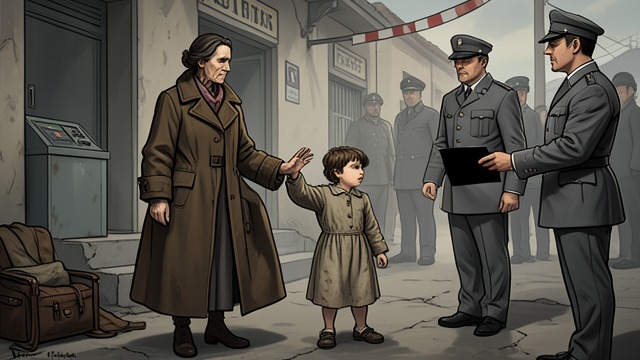
Refugee Identity Challenged
A Nansen passport questioned
Officials at Bayonne separate Katalin and Marika from the Landauer group over their refugee documents. The family’s wealth and legal preparations cannot guarantee that the mother and child will be allowed to travel.
The officials frame the decision as procedure, making arbitrary separation appear bureaucratic.
An irreversible departure
The train leaves as Viktor and Liesel remain with the children. Refugee status proves fragile precisely when safety depends on crossing a border.
The Search That Fails
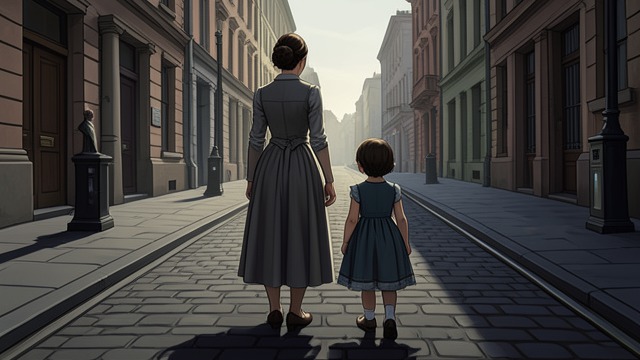
Disappearance in a Continent at War
No reliable address
Viktor asks officials and consulates to locate Katalin and Marika, but war has disrupted the channels that could connect separated refugees. Their absence becomes part of the family’s everyday life.
The search underlines that rescue is not secured merely by escape from one occupied country.
A lasting wound
Liesel remembers the two women as a lost branch of the family’s history. The question of what happened to them remains open, resisting the comfort of a complete ending.
After the Anschluss in 1938
After the German occupation begins
Immediately after the testimony
During the 1939 journey through France
During the Landauers’ later exile
